CCHT and the Victoria County History Project
What is the CCHT?
The Cumbria County History Trust (CCHT) was launched in May 2010 to coordinate and gather resources for the Victoria County History of Cumbria project. Its Trust Deed and Constitution can be found here. The CCHT is a charity which any interested individual, history and heritage society, museum, or commercial organisation can join. The members elect a number of trustees, to join those nominated by the founding organisations, and elect the Chair, Secretary and Treasurer of the organisation at the Annual General Meeting (full List of Trustees and Officers). Therefore joining the charity allows you to have a say in how the project is managed. Founder members who subscribed £100 pa for five years from the start are listed in our Roll of Honour (list closed on 15th March 2011) and will be named in the first volume to be published.
To learn more about Membership (and other options, such as becoming a Friend of CCHT) please go to our Support Us page. You can pay here by PayPal or through your debit or credit card -- but please let us know if you have joined this way by downloading and completing the Membership Form here.
In setting up the Trust, we were supported by Cumbria County Council, Cumbria Local History Federation, Cumberland & Westmorland Antiquarian & Archaeological Society, Diocese of Carlisle, Friends of Cumbria Archives, Lake District National Park Authority, National Trust North West Region, University of Cumbria and University of Lancaster.
Patrons:- Sir Christian Bonington CBE; Sir James Cropper KCVO; Lord Inglewood.
A list of our Founding Sponsors, Gold Members and Founder Members can be found on our Roll of Honour.
An obituary of past Chair Sir Roland Jackson can be accessed here
Chair of CCHT
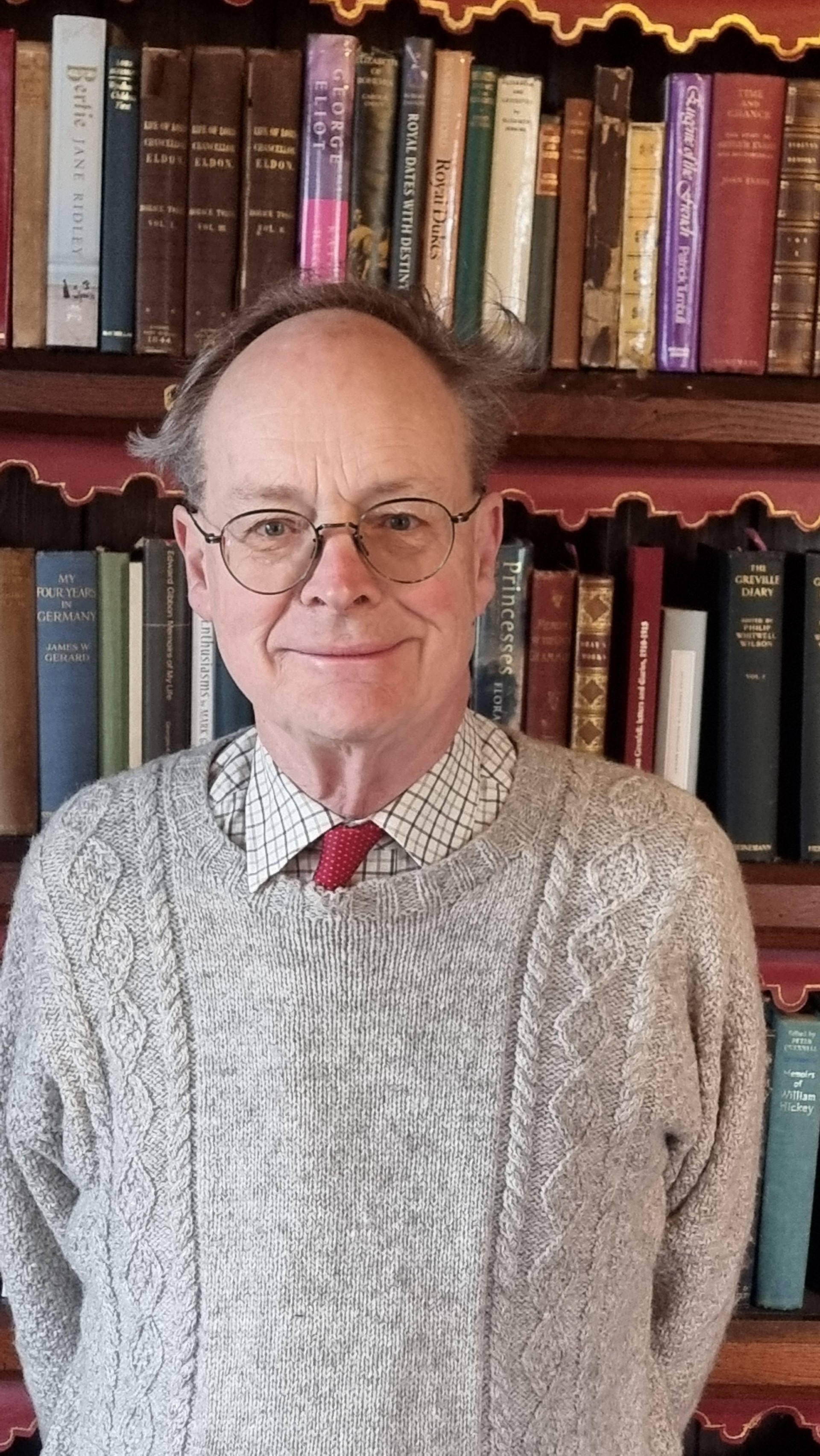
Following the untimely death of Chair Sir Roland Jackson, Mark Blackett-Ord was elected Chair at the AGM held on 24 March 2026
Mark Blackett-Ord has spent his life at Helbeck and Warcop in North Westmorland save when education or work has kept him elsewhere. He read English at New College Oxford (under John Bayley, John Buxton and Christopher Tolkien) before switching to Law. He was called to the Bar in 1974 and has practiced as a barrister ever since, specialising in property, trusts and partnership law. He published a life of Philip Duke of Wharton (Westmorland’s last duke) in 1982 and entries in the Oxford Dictionary of Biography including that on the “Yellow Earl” (5th Earl on Lonsdale) in 2004. He has published notes and articles in the Transactions of the CWAAS and takes an annual walk for that Society each May. He is now working on a more general gazetteer of places in Cumbria in the tradition of Sir John Betjeman’s “Shell Guide” series. He has been a trustee of the Bowes Museum and of several historic northern estates, and is now the chair of the committee looking after the picture collection at Lincoln’s Inn. He is an FSA and is churchwarden of Warcop and Musgrave.
What is the Victoria County History?
The Victoria County History (VCH) is an internationally respected work of reference which ultimately aims to write the history of every town and village in England. Founded in 1899 and dedicated to Queen Victoria, it is one of the longest running research projects in the world. The work is being done on a county by county basis and managed centrally from the Institute of Historical Research at the University of London. Publications are aranged on the basis of historic counties. For more information, please visit the national VCH website: www.victoriacountyhistory.ac.uk
VCH Cumbria Project Direction
In Cumbria, the research and writing is being done by volunteers, with academic guidance and support provided by Dr Sarah Rose of the Regional Heritage Centre at Lancaster University.
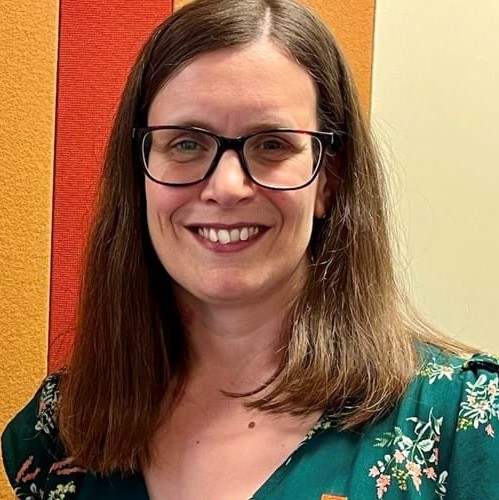
Dr Sarah Rose, Assistant Editor VCH Cumbria
Full guidance is available to volunteers to ensure that together we maintain the high standards of scholarship expected from the Victoria County History, and that our work provides a factual, reliable and authoritative work of reference for everyone with an interest in the history of their town or village - and possibly their family too. All the information about writing a VCH parish/township history can be found on our Resources page or on the national VCH Website.
Follow us on Instagram: Victoria County History Project Cumbria (@vch_cumbria) • Instagram photos and videos
Progress to date
No VCH town or village histories had been published for the historic counties of Cumberland and Westmorland before the VCH Cumbria project was launched in 2010; the only parts of Cumbria previously to have been researched in detail by the VCH were the Furness and Cartmel areas, which were formerly in Lancashire and are covered in VCH Lancashire, Volume VIII (published in 1914). So, for the bulk of the county the VCH Cumbria project is starting from scratch: READ MORE
A team of over 100 volunteers from across Cumbria has compiled brief histories for each of the 348 parishes/townships in the county, forming a springboard for future work. These have been edited for consistency by Prof. Angus Winchester. You can access these through the Interactive Map, the Township list, or the Search engine. They are also available in print form from Lancaster University Regional Heritage Centre
A smaller core of volunteers are researching and writing full parish/township histories to the VCH template, which will eventually form part of the national work of local historical reference. A number of township histories have already been completed in draft form and are available HERE. These need further research, but have been posted here for interest. Please do not quote from them without seeking permission first.
In March 2019, we published our first parish history, Kirkoswald and Renwick in paperback. You can order a copy from Lancaster University Regional Heritage Centre. This is the first publication for VCH Cumberland in 115 years and the first ever for the VCH Cumbria project!
The long-term plan is to produce sixteen volumes covering the whole of Cumbria: the plan, together with a proposed list of all the townships for each volume, can be seen HERE.
In August 2025, we published the first of our Red Book volumes, Westmorland I: Lonsdale Ward. It covers the nine townships of Kirkby Lonsdale ancient parish, together with the four other townships within the ward (XV on the Plan).
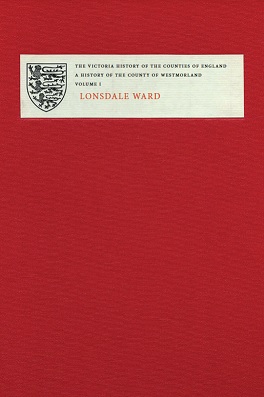
In the next phase of the project (2025-28), we will be focusing on Eskdale Ward in the north of Cumberland (volume I on the plan) and on updating the VCH entries for Furness and Cartmel (volume XII on the plan), which were compiled over 100 years ago by William Farrer and John Brownbill in VCH Lancashire VIII.
If you would like to volunteer on the project, we would love to hear from you!
Become a VCH Volunteer
The VCH Cumbria project is a long-term collaborative project, whereby volunteers from the Cumbrian community will collect the basic historical material, write the histories and create the topographical database. At the same time the project will provide a vehicle for the future education, training and participation of all those who wish to make a contribution, ensuring that everyone can play a part, while ensuring the published histories will be of the highest standards. Within the project there will be roles for people of all stages of qualification and experience, including absolute newcomers.
For further information about membership or volunteering, or to express interest, please contact Sarah Rose, the Volunteer Co-ordinator (s.rose2@lancaster.ac.uk) or email us at cchistorytrust@gmail.com
We strongly encourage that our volunteers also become members of CCHT (Click here for APPLICATION FORM).
What our volunteers say:
‘I think the biggest impact on many of us is being able to make a real contribution to a national historical publication and, as a result, becoming ... more “professional” in our approach to local history’
‘this is a tremendous opportunity to enhance our skills and achievements ... It is impossible to exaggerate the importance of this to us’